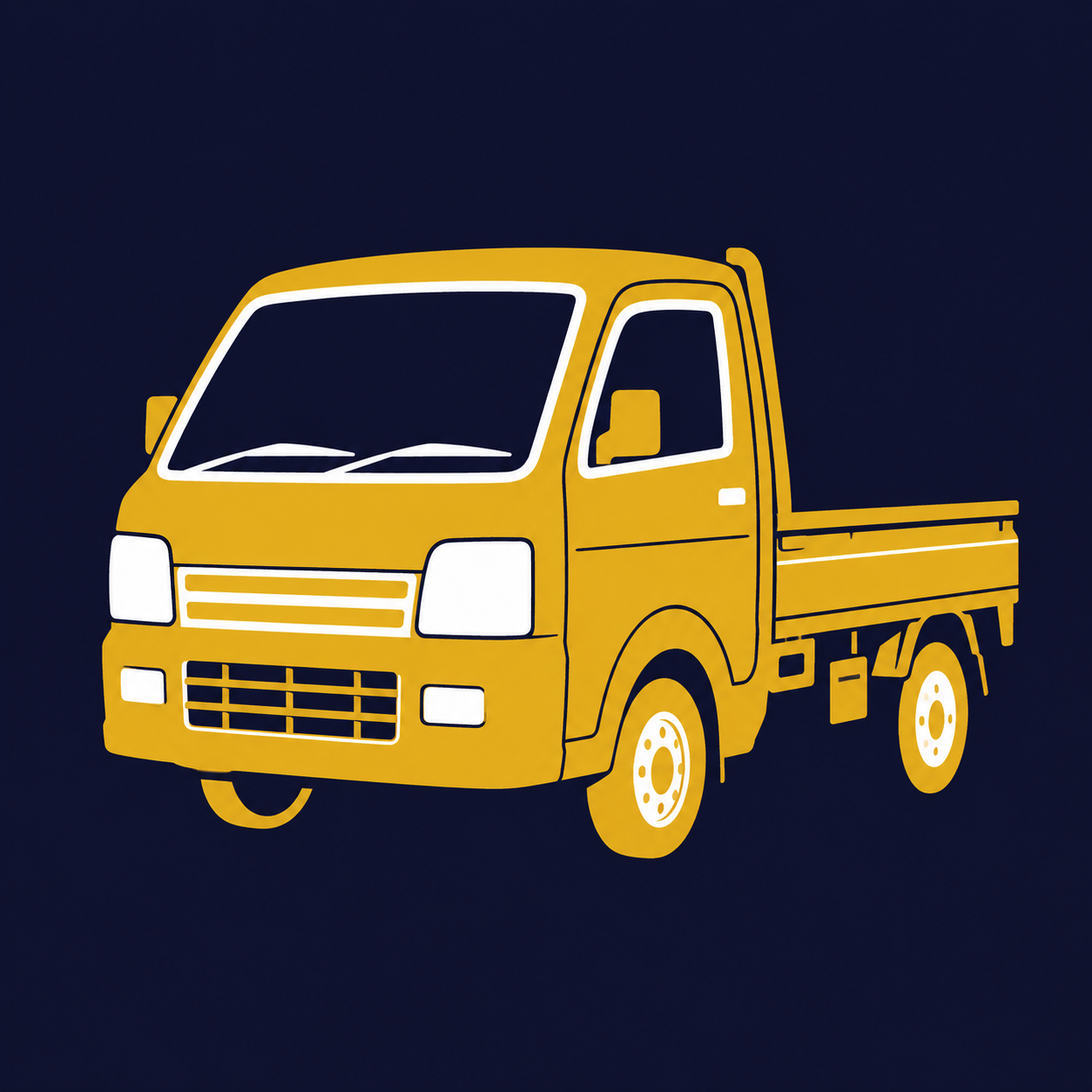
Kei Truck for Farm Use: Best Models and Buying Guide

kei truck for farm use research should always be checked against current official rules. This guide is educational, not legal advice.

Kei truck for farm use is a practical topic because farmers, homesteaders, ranch owners, vineyard managers, and landscapers often need a compact work vehicle that is more protected than a UTV and smaller than a pickup.

Why Farmers Are Choosing Kei Trucks

Kei trucks are narrow, easy to maneuver, inexpensive to run, and useful for light hauling. The cab gives weather protection, and the low bed height makes loading feed, tools, crates, fencing supplies, firewood, and irrigation parts easier.

The limitation is capacity. A kei truck is not a heavy towing vehicle or a highway pickup. It works best on property roads, orchards, barns, nurseries, campuses, and local chores.

Top 5 Kei Truck Models for Farm Use

Subaru Sambar

The Subaru Sambar is known for a smooth ride and rear-engine character. It can be comfortable on rough lanes.

Honda Acty

The Honda Acty has a loyal following and simple personality. Inspect rust, clutch feel, and service history.

Daihatsu Hijet

The Daihatsu Hijet is common and often available with dump beds, 4WD, and special farm configurations.

Suzuki Carry

The Suzuki Carry is a strong all-around choice with broad parts knowledge and many examples for sale.

Mazda Scrum

The Mazda Scrum often shares Suzuki roots. Judge condition and paperwork rather than badge popularity.

Payload and Specs Comparison Table

ModelStrengthFarm fit
Subaru SambarRide comfortProperty errands and light hauling
Honda ActySimple work truck feelTools, feed, and maintenance
Daihatsu HijetMany configurationsDump beds and 4WD use
Suzuki CarryAvailabilityAll-around farm utility
Mazda ScrumValueGood if condition is strong

Where to Buy

Buy from a domestic dealer for less paperwork risk, use an importer for auction choice, or direct import only if you understand shipping, customs, and state registration risk.

Maintenance Tips

FAQ

Is a kei truck better than a UTV?

It depends. Kei trucks offer cab protection and a bed; UTVs can be better off trail.

Which model is best?

The best model is the cleanest truck with the right bed, drivetrain, and paperwork.

Do I need 4WD?

For mud, snow, fields, and slopes, 4WD is strongly recommended.

Can it tow?

Only light loads conservatively on appropriate property.

Where do I buy parts?

Use import specialists, dealers, and model-specific communities.

Official Sources to Verify

Before buying, write down the exact job the truck must perform. A kei truck that is perfect for orchard rows may be the wrong choice for highway commuting, heavy towing, or commercial delivery routes. Matching the truck to the use case is the single most important buyer decision.

Documentation matters as much as mechanical condition. Keep export certificates, translations, invoices, bills of lading, customs forms, title paperwork, insurance notes, and maintenance receipts in a permanent digital folder. These records protect resale value and make state registration easier.

Rust is the hidden cost in many Japanese mini trucks. Inspect frame rails, cab floors, bed seams, spring mounts, lower doors, and windshield areas. A shiny repaint can hide corrosion, so buyers should request underside photos and avoid trucks with vague inspection descriptions.

Parts availability is better than it was years ago, but it is not the same as owning a domestic pickup. Smart owners keep belts, filters, plugs, fluids, bulbs, and tire information on hand. Downtime is expensive when the truck becomes part of daily property work.

The best sellers explain limitations instead of promising that every truck is street legal everywhere. Be cautious with listings that use phrases like DMV ready, legal in all states, or no paperwork needed without showing actual documents and state-specific proof.

For U.S. readers, federal import eligibility and state registration are different questions. A vehicle can clear customs and still face title, inspection, emissions, insurance, or road-use restrictions at the state level. Verify each layer before purchase.

For Canadian and Australian readers, the same principle applies even though the rules differ. Import age, provincial or state registration, roadworthiness inspection, insurance, and business use all need separate confirmation before a truck becomes useful.

Budget beyond the hammer price. Shipping, port charges, broker fees, duty, inland transport, fluids, tires, battery, belts, registration, and insurance can turn a cheap auction truck into a much larger project. A clean truck with paperwork often costs less over the first year.

Before buying, write down the exact job the truck must perform. A kei truck that is perfect for orchard rows may be the wrong choice for highway commuting, heavy towing, or commercial delivery routes. Matching the truck to the use case is the single most important buyer decision.

Documentation matters as much as mechanical condition. Keep export certificates, translations, invoices, bills of lading, customs forms, title paperwork, insurance notes, and maintenance receipts in a permanent digital folder. These records protect resale value and make state registration easier.

Rust is the hidden cost in many Japanese mini trucks. Inspect frame rails, cab floors, bed seams, spring mounts, lower doors, and windshield areas. A shiny repaint can hide corrosion, so buyers should request underside photos and avoid trucks with vague inspection descriptions.

Parts availability is better than it was years ago, but it is not the same as owning a domestic pickup. Smart owners keep belts, filters, plugs, fluids, bulbs, and tire information on hand. Downtime is expensive when the truck becomes part of daily property work.

The best sellers explain limitations instead of promising that every truck is street legal everywhere. Be cautious with listings that use phrases like DMV ready, legal in all states, or no paperwork needed without showing actual documents and state-specific proof.

For U.S. readers, federal import eligibility and state registration are different questions. A vehicle can clear customs and still face title, inspection, emissions, insurance, or road-use restrictions at the state level. Verify each layer before purchase.

For Canadian and Australian readers, the same principle applies even though the rules differ. Import age, provincial or state registration, roadworthiness inspection, insurance, and business use all need separate confirmation before a truck becomes useful.

Budget beyond the hammer price. Shipping, port charges, broker fees, duty, inland transport, fluids, tires, battery, belts, registration, and insurance can turn a cheap auction truck into a much larger project. A clean truck with paperwork often costs less over the first year.

Before buying, write down the exact job the truck must perform. A kei truck that is perfect for orchard rows may be the wrong choice for highway commuting, heavy towing, or commercial delivery routes. Matching the truck to the use case is the single most important buyer decision.

Documentation matters as much as mechanical condition. Keep export certificates, translations, invoices, bills of lading, customs forms, title paperwork, insurance notes, and maintenance receipts in a permanent digital folder. These records protect resale value and make state registration easier.

Rust is the hidden cost in many Japanese mini trucks. Inspect frame rails, cab floors, bed seams, spring mounts, lower doors, and windshield areas. A shiny repaint can hide corrosion, so buyers should request underside photos and avoid trucks with vague inspection descriptions.

Parts availability is better than it was years ago, but it is not the same as owning a domestic pickup. Smart owners keep belts, filters, plugs, fluids, bulbs, and tire information on hand. Downtime is expensive when the truck becomes part of daily property work.

The best sellers explain limitations instead of promising that every truck is street legal everywhere. Be cautious with listings that use phrases like DMV ready, legal in all states, or no paperwork needed without showing actual documents and state-specific proof.

For U.S. readers, federal import eligibility and state registration are different questions. A vehicle can clear customs and still face title, inspection, emissions, insurance, or road-use restrictions at the state level. Verify each layer before purchase.

For Canadian and Australian readers, the same principle applies even though the rules differ. Import age, provincial or state registration, roadworthiness inspection, insurance, and business use all need separate confirmation before a truck becomes useful.

Budget beyond the hammer price. Shipping, port charges, broker fees, duty, inland transport, fluids, tires, battery, belts, registration, and insurance can turn a cheap auction truck into a much larger project. A clean truck with paperwork often costs less over the first year.

Before buying, write down the exact job the truck must perform. A kei truck that is perfect for orchard rows may be the wrong choice for highway commuting, heavy towing, or commercial delivery routes. Matching the truck to the use case is the single most important buyer decision.

Documentation matters as much as mechanical condition. Keep export certificates, translations, invoices, bills of lading, customs forms, title paperwork, insurance notes, and maintenance receipts in a permanent digital folder. These records protect resale value and make state registration easier.

Rust is the hidden cost in many Japanese mini trucks. Inspect frame rails, cab floors, bed seams, spring mounts, lower doors, and windshield areas. A shiny repaint can hide corrosion, so buyers should request underside photos and avoid trucks with vague inspection descriptions.

Parts availability is better than it was years ago, but it is not the same as owning a domestic pickup. Smart owners keep belts, filters, plugs, fluids, bulbs, and tire information on hand. Downtime is expensive when the truck becomes part of daily property work.

The best sellers explain limitations instead of promising that every truck is street legal everywhere. Be cautious with listings that use phrases like DMV ready, legal in all states, or no paperwork needed without showing actual documents and state-specific proof.

For U.S. readers, federal import eligibility and state registration are different questions. A vehicle can clear customs and still face title, inspection, emissions, insurance, or road-use restrictions at the state level. Verify each layer before purchase.