Kei Truck Import USA: Complete Buyer Guide

kei truck import usa research should always be checked against current official rules. This guide is educational, not legal advice.

Kei truck import USA is one of the most common searches from buyers who want a compact Japanese work truck without paying new side-by-side prices. A kei truck can often be imported when it is at least 25 years old, but import eligibility, emissions, customs, state registration, and insurance are separate steps.

What is a Kei Truck?

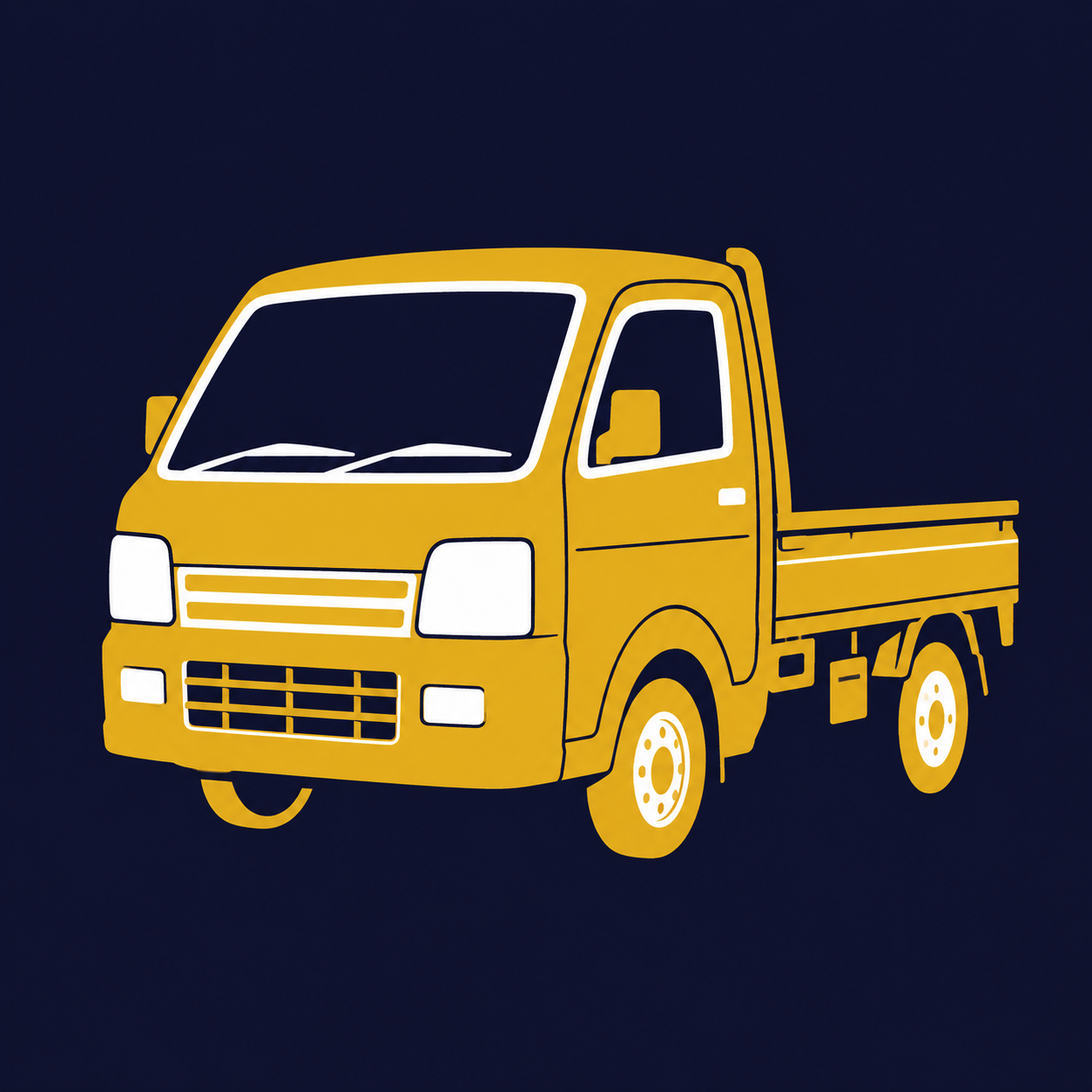
A kei truck is a small Japanese pickup built for tight roads, local delivery, farms, maintenance crews, and urban trades. Popular models include the Honda Acty, Subaru Sambar, Suzuki Carry, Daihatsu Hijet, Mitsubishi Minicab, and Mazda Scrum.

Most classic models use a small engine, cab-over layout, low bed, and manual or automatic transmission. Many have four-wheel drive and fold-down bed sides. Their strength is efficient local utility, not replacing a full-size highway truck.

25-Year Import Rule Explained

The U.S. federal rule most buyers discuss is the NHTSA 25-year threshold. A motor vehicle that is at least 25 years old can generally be imported without meeting current Federal Motor Vehicle Safety Standards. The date of manufacture matters, not just the model year in a listing.

The rule does not solve everything. EPA emissions rules, customs entry, shipping documents, state title rules, inspection, and insurance still matter. A truck can be legal to import and still difficult to register in a specific state.

Which States Allow Street Legal Kei Trucks?

There is no single national answer. Some states are permissive, some are restrictive, and some change policies after DMV reviews or safety debates. Ask whether the truck can be titled, registered, insured, inspected, and driven on the roads you actually need.

Step-by-Step Import Process

  1. Define your use case: farm, property, business, collector, or road use.
  2. Verify the manufacture date and paperwork before bidding.
  3. Choose a U.S. dealer, importer, or direct export agent.
  4. Arrange shipping, customs broker support, and port pickup.
  5. Complete HS-7, EPA, customs, invoice, and bill of lading paperwork.
  6. Handle inland transport, maintenance baseline, insurance, title, and registration.

Cost Breakdown

ItemTypical rangeNotes
Truck purchase$3,500-$9,000Condition, 4WD, dump bed, mileage, and model matter.
Export and Japan fees$500-$1,500Depends on exporter and auction location.
Ocean freight$1,200-$3,000Port pair and shipping method drive cost.
Broker and port fees$400-$1,200First-time buyers often benefit from a broker.
Maintenance baseline$500-$2,000Plan for fluids, tires, belts, filters, and battery.

FAQ

Can I import any kei truck into the USA?

No. For normal permanent import, age, documents, EPA, customs, and state rules matter.

Is a kei truck street legal in every state?

No. State registration rules vary and change.

Should I import directly?

Only if you are comfortable with documents, shipping, customs, and risk.

Can I use it only on a farm?

Private property use is usually simpler, but insurance and import status still matter.

What documents should I keep?

Keep export, translation, invoice, bill of lading, HS-7, EPA, customs, title, and registration records.

Official Sources to Verify

Before buying, write down the exact job the truck must perform. A kei truck that is perfect for orchard rows may be the wrong choice for highway commuting, heavy towing, or commercial delivery routes. Matching the truck to the use case is the single most important buyer decision.

Documentation matters as much as mechanical condition. Keep export certificates, translations, invoices, bills of lading, customs forms, title paperwork, insurance notes, and maintenance receipts in a permanent digital folder. These records protect resale value and make state registration easier.

Rust is the hidden cost in many Japanese mini trucks. Inspect frame rails, cab floors, bed seams, spring mounts, lower doors, and windshield areas. A shiny repaint can hide corrosion, so buyers should request underside photos and avoid trucks with vague inspection descriptions.

Parts availability is better than it was years ago, but it is not the same as owning a domestic pickup. Smart owners keep belts, filters, plugs, fluids, bulbs, and tire information on hand. Downtime is expensive when the truck becomes part of daily property work.

The best sellers explain limitations instead of promising that every truck is street legal everywhere. Be cautious with listings that use phrases like DMV ready, legal in all states, or no paperwork needed without showing actual documents and state-specific proof.

For U.S. readers, federal import eligibility and state registration are different questions. A vehicle can clear customs and still face title, inspection, emissions, insurance, or road-use restrictions at the state level. Verify each layer before purchase.

For Canadian and Australian readers, the same principle applies even though the rules differ. Import age, provincial or state registration, roadworthiness inspection, insurance, and business use all need separate confirmation before a truck becomes useful.

Budget beyond the hammer price. Shipping, port charges, broker fees, duty, inland transport, fluids, tires, battery, belts, registration, and insurance can turn a cheap auction truck into a much larger project. A clean truck with paperwork often costs less over the first year.

Before buying, write down the exact job the truck must perform. A kei truck that is perfect for orchard rows may be the wrong choice for highway commuting, heavy towing, or commercial delivery routes. Matching the truck to the use case is the single most important buyer decision.

Documentation matters as much as mechanical condition. Keep export certificates, translations, invoices, bills of lading, customs forms, title paperwork, insurance notes, and maintenance receipts in a permanent digital folder. These records protect resale value and make state registration easier.

Rust is the hidden cost in many Japanese mini trucks. Inspect frame rails, cab floors, bed seams, spring mounts, lower doors, and windshield areas. A shiny repaint can hide corrosion, so buyers should request underside photos and avoid trucks with vague inspection descriptions.

Parts availability is better than it was years ago, but it is not the same as owning a domestic pickup. Smart owners keep belts, filters, plugs, fluids, bulbs, and tire information on hand. Downtime is expensive when the truck becomes part of daily property work.

The best sellers explain limitations instead of promising that every truck is street legal everywhere. Be cautious with listings that use phrases like DMV ready, legal in all states, or no paperwork needed without showing actual documents and state-specific proof.

For U.S. readers, federal import eligibility and state registration are different questions. A vehicle can clear customs and still face title, inspection, emissions, insurance, or road-use restrictions at the state level. Verify each layer before purchase.

For Canadian and Australian readers, the same principle applies even though the rules differ. Import age, provincial or state registration, roadworthiness inspection, insurance, and business use all need separate confirmation before a truck becomes useful.

Budget beyond the hammer price. Shipping, port charges, broker fees, duty, inland transport, fluids, tires, battery, belts, registration, and insurance can turn a cheap auction truck into a much larger project. A clean truck with paperwork often costs less over the first year.

Before buying, write down the exact job the truck must perform. A kei truck that is perfect for orchard rows may be the wrong choice for highway commuting, heavy towing, or commercial delivery routes. Matching the truck to the use case is the single most important buyer decision.

Documentation matters as much as mechanical condition. Keep export certificates, translations, invoices, bills of lading, customs forms, title paperwork, insurance notes, and maintenance receipts in a permanent digital folder. These records protect resale value and make state registration easier.

Rust is the hidden cost in many Japanese mini trucks. Inspect frame rails, cab floors, bed seams, spring mounts, lower doors, and windshield areas. A shiny repaint can hide corrosion, so buyers should request underside photos and avoid trucks with vague inspection descriptions.

Parts availability is better than it was years ago, but it is not the same as owning a domestic pickup. Smart owners keep belts, filters, plugs, fluids, bulbs, and tire information on hand. Downtime is expensive when the truck becomes part of daily property work.

The best sellers explain limitations instead of promising that every truck is street legal everywhere. Be cautious with listings that use phrases like DMV ready, legal in all states, or no paperwork needed without showing actual documents and state-specific proof.

For U.S. readers, federal import eligibility and state registration are different questions. A vehicle can clear customs and still face title, inspection, emissions, insurance, or road-use restrictions at the state level. Verify each layer before purchase.

For Canadian and Australian readers, the same principle applies even though the rules differ. Import age, provincial or state registration, roadworthiness inspection, insurance, and business use all need separate confirmation before a truck becomes useful.

Budget beyond the hammer price. Shipping, port charges, broker fees, duty, inland transport, fluids, tires, battery, belts, registration, and insurance can turn a cheap auction truck into a much larger project. A clean truck with paperwork often costs less over the first year.

Before buying, write down the exact job the truck must perform. A kei truck that is perfect for orchard rows may be the wrong choice for highway commuting, heavy towing, or commercial delivery routes. Matching the truck to the use case is the single most important buyer decision.

Documentation matters as much as mechanical condition. Keep export certificates, translations, invoices, bills of lading, customs forms, title paperwork, insurance notes, and maintenance receipts in a permanent digital folder. These records protect resale value and make state registration easier.

Rust is the hidden cost in many Japanese mini trucks. Inspect frame rails, cab floors, bed seams, spring mounts, lower doors, and windshield areas. A shiny repaint can hide corrosion, so buyers should request underside photos and avoid trucks with vague inspection descriptions.

Parts availability is better than it was years ago, but it is not the same as owning a domestic pickup. Smart owners keep belts, filters, plugs, fluids, bulbs, and tire information on hand. Downtime is expensive when the truck becomes part of daily property work.

The best sellers explain limitations instead of promising that every truck is street legal everywhere. Be cautious with listings that use phrases like DMV ready, legal in all states, or no paperwork needed without showing actual documents and state-specific proof.

For U.S. readers, federal import eligibility and state registration are different questions. A vehicle can clear customs and still face title, inspection, emissions, insurance, or road-use restrictions at the state level. Verify each layer before purchase.

For Canadian and Australian readers, the same principle applies even though the rules differ. Import age, provincial or state registration, roadworthiness inspection, insurance, and business use all need separate confirmation before a truck becomes useful.

Budget beyond the hammer price. Shipping, port charges, broker fees, duty, inland transport, fluids, tires, battery, belts, registration, and insurance can turn a cheap auction truck into a much larger project. A clean truck with paperwork often costs less over the first year.

Before buying, write down the exact job the truck must perform. A kei truck that is perfect for orchard rows may be the wrong choice for highway commuting, heavy towing, or commercial delivery routes. Matching the truck to the use case is the single most important buyer decision.